

Table of Contents
- The Real Difference: Premium Versus Regular Olive Oil
- Expensive Olive Oil vs Cheap Olive Oil: Where the Money Goes
- How to Tell if Olive Oil is High Quality
- Olive Oil Harvest Date: Why Freshness Matters More Than You Think
- Olive Oil Freshness and Storage: Protecting Your Investment
- When Premium Oil is Worth the Cost, And When It Isn't
- The Health Case for Premium Olive Oil
- Conclusion: Making Your Decision
- Frequently Asked Questions
Last Updated: October 11, 2026
The Real Difference: Premium Versus Regular Olive Oil
When you're standing in the supermarket aisle comparing a $12 bottle of olive oil to one priced at $49, the difference isn't just marketing. Premium olive oil and regular olive oil come from fundamentally different production methods, harvest timing, and quality standards. Understanding what separates them helps you decide whether premium olive oil worth the investment for your kitchen.

What Extra Virgin Olive Oil Actually Means
Extra virgin olive oil is the least processed form of olive oil, extracted through mechanical means only, no heat or chemicals. This cold-pressing method preserves the natural compounds that give the oil its flavour, aroma, and nutritional profile. Regular olive oil, by contrast, is often refined using heat and chemicals to remove impurities, which strips away much of the character and health benefits.
The term "extra virgin" is legally defined by strict standards: the oil must have free acidity below 0.8%, pass sensory evaluations, and contain no defects. This certification means something real. When you buy extra virgin, you're getting oil that meets measurable quality thresholds. Regular olive oil carries no such guarantee, it's simply what remains after refinement.
How Processing and Freshness Change the Flavour
The moment olives are harvested, their chemistry begins to change. Oils pressed within hours of picking taste vibrant, grassy, and peppery. Oils pressed days or weeks later taste milder and more buttery. This is why harvest date matters so much.
At Olio Nuovo, we press olives within 24 hours of harvest. That speed preserves the naturally occurring polyphenols, the compounds responsible for the peppery finish at the back of your throat. That peppery sensation is a reliable sign you're tasting genuinely fresh oil.
Processing method shapes flavour too. Unfiltered oil retains sediment and suspended solids, which intensify taste and create that characteristic cloudy appearance. Filtered oil is clearer and more stable during storage, but loses some of that concentrated character.
Expensive Olive Oil vs Cheap Olive Oil: Where the Money Goes
The price gap between expensive and cheap olive oil reflects real differences in production costs. Premium oils come from smaller harvests, hand-picked olives, and immediate processing. Regular oils often blend fruit from multiple sources, use mechanical harvesting, and allow longer delays between harvest and pressing.
Cheap olive oil frequently comes from refined oil blended with a small percentage of virgin oil for colour and taste. The production process is optimised for volume and shelf stability, not flavour or freshness. A $12 bottle might last two years in your cupboard.
Storage and packaging add to the cost of premium oils. Dark glass bottles, sealed caps, and climate-controlled shipping protect the oil from oxidation and light damage. Cheap oils often arrive in clear plastic or thin glass, which accelerates degradation.
How to Tell if Olive Oil is High Quality
Reading Labels and Certifications
A high-quality label tells you specific information: harvest date, origin, processing method, and acidity level. Look for "cold-pressed" or "first cold-pressed" as indicators that heat wasn't used. Check for a harvest date, if the bottle doesn't show one, the oil is likely older than you want.
Certifications matter, but not all of them equally. Protected Designation of Origin (PDO) and Protected Geographical Indication (PGI) labels from the European Union indicate strict regional standards. These aren't just marketing, they're enforced by law. An oil labelled PDO must come from a specific region and meet that region's production standards.
Look also for acidity statements. Oils labelled "extra virgin" must have free acidity below 0.8%. Some premium producers go further, listing acidity as 0.2% or lower. Lower acidity correlates with fresher fruit and better handling during processing.
Taste, Aroma and the Peppery Finish
Tasting olive oil properly reveals quality that labels alone can't convey. Pour a small amount into a glass, warm it slightly in your hands, and smell it first. Fresh, high-quality oil smells grassy, herbaceous, or fruity, not musty or flat. If it smells like crayons or cardboard, it's oxidised and past its prime.
Take a small sip and let it coat your mouth. High-quality extra virgin should taste complex: grassy, nutty, fruity, or peppery depending on the olive variety and harvest timing. That peppery sensation, the slight catch in your throat, comes from polyphenols and indicates freshness and antioxidant content.
The absence of flavour is actually a red flag. If an oil tastes like nothing, it's likely been refined to remove impurities and character. That's not necessarily bad for cooking, but it's not premium quality.
Olive Oil Harvest Date: Why Freshness Matters More Than You Think
Olive oil is a fruit juice, not a shelf-stable product like wine. It degrades from the moment it's pressed. Exposure to light, heat, and oxygen causes polyphenols to break down and fatty acids to oxidise. A bottle that's six months old tastes noticeably different from one that's two weeks old.
This is why harvest date is the single most reliable indicator of quality. An oil pressed in May 2026 will taste better in June 2026 than in January 2027.
Premium producers harvest twice yearly, in spring and autumn, to ensure customers always have access to fresh oil. Olio Nuovo delivers twice yearly from both the Australian autumn harvest (May) and the Italian spring harvest (December), so you're always getting oil within months of pressing.
Olive Oil Freshness and Storage: Protecting Your Investment
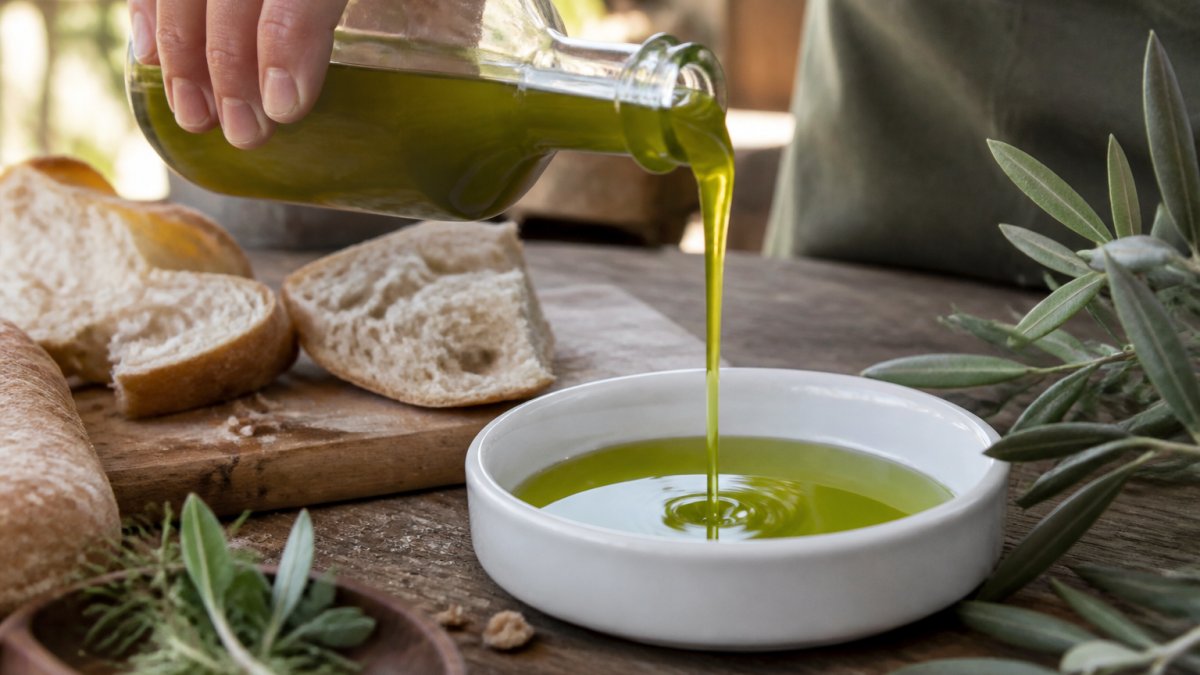
Once you've invested in premium oil, storage becomes critical. Light and heat are the enemies of freshness. Keep your bottle in a cool, dark cupboard away from the stove and direct sunlight.
Temperature matters too. Ideally, store olive oil between 13°C and 18°C. Room temperature is acceptable if it's stable and away from heat sources. Never store oil above the stove or near a radiator.
Northern Hemisphere Harvest Olio Nuovo (December Delivery) →
Once opened, use the oil within 3-6 months for unfiltered varieties and up to 2 years for filtered oils. Unfiltered oil contains suspended solids that accelerate oxidation once exposed to air.
When Premium Oil is Worth the Cost, And When It Isn't
Best Uses for Finishing, Dipping and Drizzling
Premium olive oil shines when you taste it directly. Drizzle it over warm bread, soups, pasta, or grilled vegetables where its flavour takes centre stage. Use it for dipping bread alongside balsamic vinegar or for finishing dishes just before serving. In these applications, the complexity and freshness of a premium oil make an obvious, immediate difference.
A $49 bottle of premium extra virgin makes sense if you're using it for finishing and dipping regularly. You'll taste the difference with every application, and the oil will be consumed quickly enough that freshness remains intact. For a household that drizzles premium oil on pasta twice a week, a 500ml bottle lasts about two months, a reasonable cost for a noticeable quality improvement.
Using Premium Oil for Cooking
Here's where the economics shift. High-quality extra virgin olive oil has a lower smoke point than refined oil, around 160°C to 190°C depending on the variety. This makes it unsuitable for high-heat cooking like deep frying. For sautéing, roasting, and low-to-medium-heat cooking, premium oil works fine, but you're applying heat that degrades the very compounds that make the oil premium in the first place.
If you're heating oil above 160°C, you're wasting the investment in freshness and polyphenol content. The heat destroys those compounds, and the flavour difference becomes irrelevant. For cooking, a mid-range refined olive oil or a cheaper extra virgin does the job adequately. Save the premium oil for applications where heat doesn't degrade it.
Cost Per Use and Diminishing Returns
The real question is cost per use. A $49 bottle of premium oil used for finishing and dipping costs roughly $0.50 to $1.00 per application if you use it regularly. A $12 bottle used for cooking costs $0.10 to $0.20 per application.
But premium oil used for its intended purpose, finishing, dipping, dressing, delivers noticeable value. If you enjoy good food and notice flavour differences, that premium oil makes a real contribution to meals where it's featured.
For everyday cooking and high-heat applications, a mid-range extra virgin or refined olive oil is the sensible choice. For finishing dishes and dipping bread, where flavour is the entire point, premium oil makes a measurable difference, if you use it quickly enough to catch it while it's still fresh.
The Health Case for Premium Olive Oil
Extra virgin olive oil contains polyphenols, antioxidants that support cardiovascular health and reduce inflammation. The concentration of these compounds is highest in fresh, minimally processed oil. Refined oils have had most polyphenols removed during processing. Premium extra virgin oils, pressed within hours of harvest, retain the maximum polyphenol content.
The health difference between premium and regular olive oil is real but modest for most people. If you consume olive oil regularly as part of a Mediterranean-style diet, choosing extra virgin over refined does provide additional antioxidants.
That said, the health benefits of olive oil in general, whether premium or regular, come from consistent use as part of a balanced diet. A bottle of expensive oil used occasionally won't deliver more health benefit than a cheaper oil used regularly.
Conclusion: Making Your Decision
Is premium olive oil worth it? The answer depends on how you'll use it and what you value in food.
If you drizzle oil over finished dishes, dip bread, dress salads, or use it where flavour is centre-stage, premium extra virgin olive oil delivers noticeable value.
If you cook with oil at high heat or use it as a neutral cooking medium, premium quality is wasted. A mid-range refined oil does the job adequately and costs far less.
Our recommendation: invest in premium oil for finishing and dipping, where freshness and flavour matter. Use a more affordable oil for cooking.
The Northern Hemisphere Harvest Olio Nuovo extra virgin olive oil arrives fresh each December, pressed within 24 hours of harvest and bottled immediately.
Premium olive oil is worth the investment when you use it intentionally for finishing and dipping, where its flavour and freshness create a noticeable difference. Our twice-yearly harvests ensure you're always getting oil within months of pressing. Order Olio Nuovo online and experience the difference that true freshness and Italian heritage bring to your table.
Frequently Asked Questions
Is there a real difference between cheap and expensive olive oil?
Yes. Premium olive oil is typically pressed within hours of harvest, unfiltered, and rich in polyphenols and antioxidants. Cheaper oils are often refined, blended, or stored longer, losing flavour and nutritional value. You'll taste the difference immediately in drizzling applications, the peppery finish, aroma and fruitiness are noticeably more vibrant in fresh-pressed premium oil. For cooking at high heat, the difference matters less.
How can I verify that premium olive oil is actually fresh and unfiltered?
Check the harvest date on the bottle, it should be recent, ideally within the last 6-12 months. Look for certifications from recognised bodies and third-party testing results. Unfiltered oil will appear cloudy or slightly hazy. Ask the producer directly for transparency: reputable makers like Olio Nuovo clearly state pressing times (within 24 hours of harvest), storage conditions, and award certifications. If a brand won't provide this information, it's a red flag.
Will I actually appreciate premium olive oil if I'm not a chef or connoisseur?
Absolutely. You don't need expertise to taste the difference. Freshness and quality are obvious when you drizzle premium oil over warm bread, soup or salad. Even everyday cooks notice the flavour, aroma and that characteristic peppery finish from naturally occurring polyphenols. The health benefits, higher antioxidants, better monounsaturated fat profile, apply to everyone. If you cook regularly and care about ingredient quality, premium oil is a worthwhile upgrade.
Does premium olive oil stay fresh long enough if I don't use it quickly?
It depends on the type. Unfiltered premium oil is best enjoyed within 3-6 months and requires cool, dark storage away from heat and light. Filtered premium oil keeps its quality for up to 2 years under proper conditions. If you're concerned about waste, filtered options last longer. Store in a cool cupboard with the lid firmly closed, and avoid placing bottles near the stove or in direct sunlight. Many premium producers offer twice-yearly deliveries to ensure you always have fresh oil on hand.
