
Last Updated: October 25, 2026
Quick Summary
Single estate olive oil is extra virgin oil produced entirely within one defined property, from olives grown, harvested and processed on that same land, giving complete control over every stage from soil through to bottling. This creates accountability and traceability, allowing you to taste the direct expression of one orchard's terroir, harvest timing and production philosophy, unlike blended oils that combine sources from multiple regions and harvests.
- Single estate oils are pressed and bottled within days, preserving vibrant flavour and natural polyphenol content that fade in oils stored for months or years.
- Harvest date is the single most useful freshness indicator; early-harvest oils picked while green carry higher polyphenol concentrations than late-harvest oils.
- Single estate oils express pronounced aroma, peppery finish and grassy notes, noticeably different from flat, muted flavour of supermarket blends.
- Complete traceability includes harvest date, estate name, region, pressing date, batch number and cultivar, letting you verify the oil's story and age.
Table of Contents
- What Single Estate Olive Oil Means
- How Estate Production Differs from Blended Oils
- Olive Oil Harvest Dates Explained
- Extra Virgin Olive Oil Health Benefits and Nutritional Quality
- How to Identify High Quality Olive Oil
- Traceability and Verifying Provenance
- Exploring Premium Single Estate Olive Oil
- Frequently Asked Questions
What Single Estate Olive Oil Means
The distinction matters because it creates accountability. Single estate oil traces back to a specific place and specific people, with no blending from multiple sources.
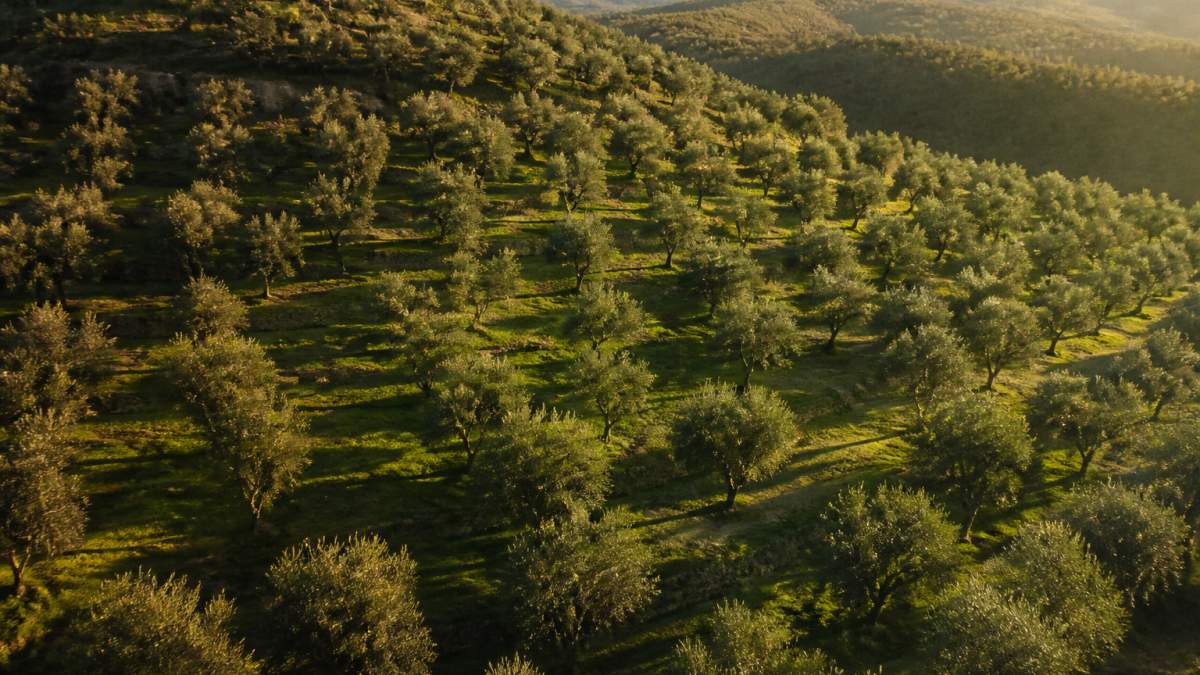
At Olio Nuovo, olives are pressed within 24 hours of harvest. This preserves the vibrant, grassy character and natural polyphenol content that make early-harvest oil distinctive.
Single estate production is fundamentally different from the commodity approach.
How Estate Production Differs from Blended Oils
Blended olive oils combine oils from different regions, harvests or even years, standardised so the same bottle tastes the same year-round, a commercial advantage that requires compromises.
To create a stable blend, producers often use oils that have been stored, refined or treated, giving a predictable but flat result.
Here's what separates the two approaches:
- Traceability: Single estate oils trace to one orchard and one harvest. Blended oils combine multiple sources, making provenance unclear.
- Flavour profile: Single estate oils express the specific terroir, soil, climate, cultivar, of one place. Blended oils average these characteristics into uniformity.
- Freshness: Single estate oils can be pressed and bottled within days. Blended oils may sit in storage tanks for months or years before blending.
- Harvest timing: Single estate producers choose when to harvest based on their own ripeness goals. Blended oils use whatever oils are available in the supply chain.
- Production transparency: Single estate operations can document every step. Blended oils often obscure the origin and age of component oils.
The practical difference: single estate oils have more pronounced aroma, a peppery finish and grassy notes.
Single estate and blended oils differ across several key production and quality dimensions.
| Aspect | Single Estate | Blended |
|---|---|---|
| Traceability | One orchard and one harvest | Multiple sources, provenance unclear |
| Flavour profile | Expresses specific terroir and cultivar | Averaged into uniformity |
| Freshness | Pressed and bottled within days | May sit in storage for months or years |
| Harvest timing | Producer chooses based on ripeness goals | Uses whatever oils are available |
| Production transparency | Every step can be documented | Origin and age of component oils obscured |
| Typical taste | Pronounced aroma, peppery finish, grassy notes | Flat, muted flavour |
Olive Oil Harvest Dates Explained
Harvest date is the single most useful indicator of olive oil freshness, and the claim most often blurred on labels. It tells you when the olives were picked, and therefore how old the oil is and what flavour to expect. But 'harvest date' is not a standardised, legally defined term on Australian shelves, so reading it well takes a little knowledge.
Early harvest versus late harvest
Early harvest oils come from olives picked while still green and only partly ripe, autumn in the southern hemisphere, late autumn and early winter in the north.
The trade-off is yield: early picking gives less oil per tonne of fruit, which is one reason early-harvest oils cost more to produce. A producer who picks early is choosing flavour and polyphenol density over volume.
Harvest date, pressing date and best-by date are not the same
This is where labels mislead. Three dates can appear on a bottle, and they mean different things:
- Harvest date, when the olives were picked. The most useful freshness signal.
- Pressing or milling date, when the fruit was crushed. Ideally within hours of harvest; a long gap between the two is a quality warning.
- Best-by date, a manufacturer's estimate of shelf life. It says nothing about when the oil was made, and a best-by date two years out can sit on oil that is already a year old.
A bottle with only a best-by date gives you no way to judge age. Treat that as a transparency gap rather than proof of poor quality, but ask why the harvest date is missing.
How to read a date code
Harvest dates are usually printed as a month and year, sometimes with a day. Check the date against the season you expect: an oil sold in autumn should carry a harvest date from the most recent harvest, not one from two seasons ago. If a date is ambiguous, a reputable producer will make it clear elsewhere on the label or website.
Why freshness fades
Olive oil oxidises from the moment it is pressed. Aroma compounds soften and polyphenol levels decline daily, accelerating with heat, light and oxygen. An oil pressed months ago is noticeably different from one pressed weeks ago, even if both are technically extra virgin.
Australian Food Standards Code sets labelling requirements for many foods, but olive oil date labelling is not uniform, so the harvest date remains a voluntary transparency signal rather than a guaranteed one.
Extra Virgin Olive Oil Health Benefits and Nutritional Quality
Extra virgin olive oil contains naturally occurring polyphenols, plant compounds with antioxidant properties. Early-harvest oils are particularly rich in them because the olives are picked before full ripeness, when polyphenol concentration is highest.
Polyphenols are one reason single estate, early-harvest oils command premium prices. The fresher and greener the oil, the higher the polyphenol content.
Mediterranean diet studies are valuable context, but they don't distinguish between fresh-pressed oil and commodity blends.
Olio Nuovo olive oil is pressed within 24 hours of harvest, maximising the polyphenol density and antioxidant content you're paying for with premium early-harvest oil.
Northern Hemisphere Harvest Olio Nuovo (December Delivery) →

How to Identify High Quality Olive Oil
Many quality indicators are invisible on a supermarket shelf: you can't taste before buying, see polyphenol content, or verify freshness without a harvest date. The practical skill is knowing which signals are reliable and which are marketing.
Start with the signals you can verify
- Harvest date. If it is not on the label, you cannot judge age. A recent harvest date is the strongest single signal of freshness.
- Cold extraction. 'Cold extracted' or 'cold pressed' means the paste was processed at a controlled, lower temperature, which helps preserve delicate aromas and polyphenols. It is a genuine quality marker, though not a guarantee on its own.
- Packaging. Dark glass or opaque tins protect oil from light, which accelerates oxidation. Clear bottles are a warning sign because the oil inside is degrading from light exposure.
- Estate and batch detail. An estate name, region, pressing date and lot number let you trace the oil and hold the producer to their claims.
- Filtration. Unfiltered oils retain fine sediment that carries polyphenols; they are cloudier and have a shorter shelf life. Filtered oils are clearer and more stable, but some polyphenols are removed. Neither is automatically better, it is a trade-off between freshness and stability.
The chemical measures behind 'extra virgin'
'Extra virgin' is not a marketing phrase; it is a defined quality category. Food Standards Australia New Zealand guidance on extra virgin olive oil standards sets chemical and sensory criteria an oil must meet to carry the name.
What the standard does not tell you is how fresh the oil is, how it was stored, or how long ago it was pressed. Two oils can both be legitimately extra virgin while one is months older and noticeably flatter.
Sensory evaluation: what to look for
Tasting is the most accessible quality test at home. Pour a small amount into a glass, warm it in your hands, smell, then sip.
- Positive attributes: fresh grassy or herbaceous aroma, green almond or artichoke notes, and a peppery finish that catches the back of the throat. That peppery catch is a sign of fresh polyphenols.
- Defects to recognise: a waxy, rancid or putty-like smell indicates oxidation or poor storage; a muddy or fermented note suggests problems in the fruit or processing. Any of these means the oil has moved past its best.
A common pattern among tasters is that the peppery sensation is strongest in recently pressed, early-harvest oils and fades as the oil ages. If a premium-priced oil tastes flat and buttery with no catch at all, ask how old it is.
What the label cannot tell you
No label can prove polyphenol content, and estate origin alone doesn't guarantee higher polyphenols, that depends on cultivar, harvest timing, storage and testing. Treat unqualified health claims with caution and look for verified product information instead.
Traceability and Verifying Provenance
Traceability means you can follow the oil from tree to bottle. Meet the master miller responsible for ensuring quality and traceability in every batch.
The strongest traceability comes with:
- Harvest date (not just "best by" date)
- Estate or orchard name
- Region or location
- Pressing date
- Batch or lot number
- Cultivar or olive variety (optional but valuable)
When all these are present, you can verify the oil's story: when it was picked, where it came from, and how old it is.
Many premium producers now offer digital traceability, QR codes linking to detailed production information, which is becoming standard for single estate oils because it builds consumer trust.
If a producer won't share these details, there's usually a reason.
Exploring Premium Single Estate Olive Oil
Single estate oils sit at the premium end of the market because they require investment in land, infrastructure and careful management. Browse and purchase premium single estate oils that reflect this commitment to quality and freshness.
Premium single estate oils typically come from smaller producers who control every variable: hand or selective mechanical picking, immediate pressing, fresh bottling.
For many cooks the flavour and freshness justify the premium.
For everyday cooking at high heat, a less expensive extra virgin oil may be more practical.
Food Standards Australia New Zealand guidance on extra virgin olive oil standards sets the chemical and sensory criteria for oils to qualify as "extra virgin." But within that category, freshness and estate control create meaningful variation.
Single estate olive oil production represents a commitment to transparency, freshness, and flavour that commodity blends simply cannot match.
The real test is in the tasting. Explore premium single estate olive oil at Olio Nuovo and experience the difference that freshness, traceability, and estate control deliver.
Frequently Asked Questions
What does 'single estate' mean in olive oil production?
Single estate olive oil comes from one specific orchard or grove under unified management. All olives are harvested from the same terroir, processed together, and bottled without blending with oils from other sources. This ensures complete traceability from tree to bottle and allows the distinctive character of that particular estate, its soil, climate, and olive varieties, to shine through in the final product.
Why is the harvest date important for olive oil quality?
Harvest timing determines freshness, flavour intensity, and polyphenol content. Early-harvest oils pressed within hours of picking retain vibrant, grassy notes and higher antioxidant levels. Oils pressed later in the season develop milder, buttery profiles. Knowing the harvest date tells you exactly how fresh your oil is and what flavour character to expect. Olio Nuovo's Northern Hemisphere Harvest Olio Nuovo is pressed within 24 hours to capture peak freshness.
Is single estate olive oil healthier than blended oils?
Single estate oils can offer consistent nutritional profiles because they come from one source with known growing practices. Early-harvest single estate oils typically contain higher levels of naturally occurring polyphenols and antioxidants. However, health benefits depend more on harvest timing and production method than on whether oil is blended or single estate.
How can I verify the origin of my extra virgin olive oil?
Look for transparent labelling that includes the harvest date, estate name, and production location. Reputable producers provide details about their olive varieties, growing conditions, and processing methods. Third-party certifications and awards from recognised competitions add credibility. Direct communication with the producer, whether through their website or customer service, is a strong indicator of genuine transparency. Avoid oils with vague origin claims or missing harvest dates.

