

Last Updated: October 22, 2026
Quick Summary
Fresh-pressed oils antioxidants deliver maximum polyphenols and vitamin E because extraction happens within hours of harvest, before oxidation and heat processing degrade these protective compounds. Early-harvest extra virgin olive oil pressed within 24 hours contains the highest antioxidant density of all culinary oils.
- Polyphenols in fresh-pressed oils neutralize free radicals and reduce oxidative stress throughout your cardiovascular system and brain.
- Store fresh-pressed oil in a cool, dark place below 15°C and use within 4-6 weeks of opening to preserve antioxidant potency.
- Polyphenols degrade around 160-180°C, so use fresh-pressed oils for finishing dishes rather than high-heat cooking to retain antioxidants.
- Harvest and pressing dates on labels prove freshness; oils without these dates are likely old or refined and lack antioxidant benefits.
- The peppery, grassy taste in fresh-pressed oils signals high polyphenol content; smooth, buttery oils typically have fewer antioxidants.
Table of Contents
- Why Fresh-Pressed Oils Deliver Superior Antioxidant Content
- Which Oil Has the Most Antioxidants
- The Healthiest Cold-Pressed Oils for Your Diet
- Cold-Pressed Oils for Skin: Topical Benefits Beyond Cooking
- How to Store Fresh-Pressed Oils to Preserve Antioxidants
- Identifying Authentic Fresh-Pressed Oils: Quality Indicators
- Common Mistakes That Destroy Antioxidants
- Frequently Asked Questions
Why Fresh-Pressed Oils Deliver Superior Antioxidant Content
Fresh-pressed oils antioxidants stand apart because they're extracted and bottled at peak ripeness, before oxidation degrades their protective compounds.
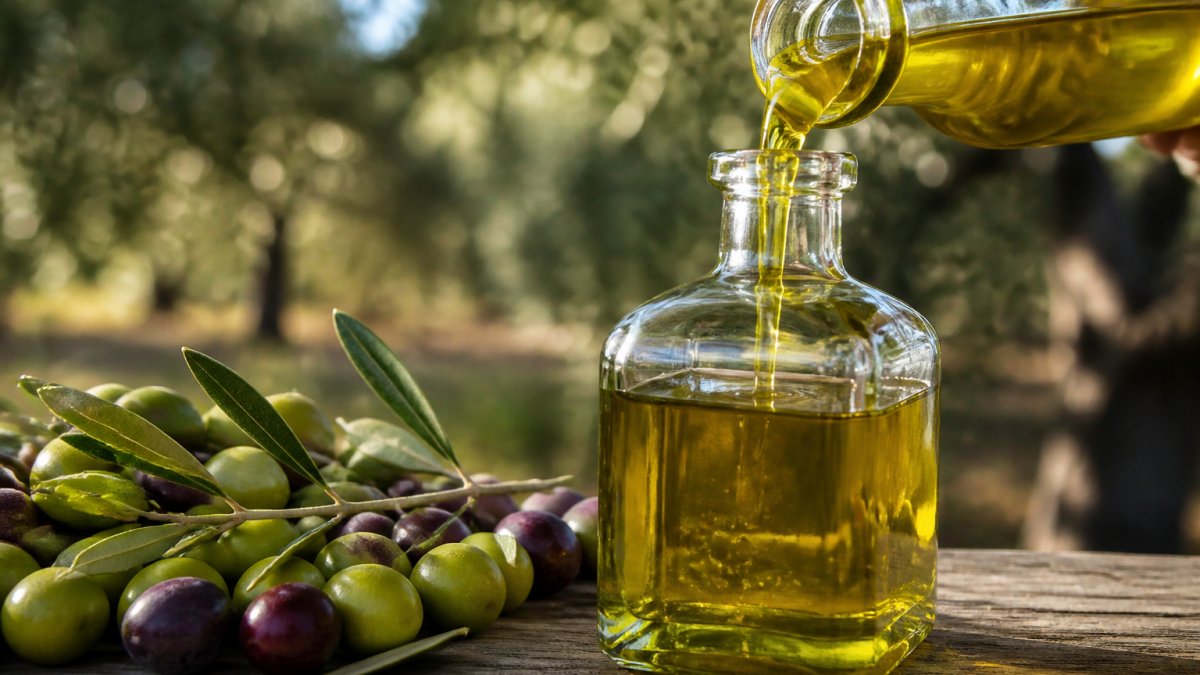
The difference matters. Refined oils sit in storage, travel long distances, and undergo heat processing that strips away these protective compounds. At Olio Nuovo, we press within 24 hours of harvest specifically to preserve this nutritional density.

Antioxidants fight free radicals, unstable molecules that damage your cells. Polyphenols, the star antioxidant in olive oil, reduce oxidative stress in your body. Vitamin E protects your cells from lipid peroxidation, the process where fats break down and cause inflammation.
The timing is everything. Every day an oil sits after pressing, it loses potency. Unfiltered oils, which retain the sediment and particles that carry many of the polyphenols, degrade faster than filtered versions. But in those first weeks, unfiltered fresh-pressed oils deliver the highest antioxidant concentration you can get.
Which Oil Has the Most Antioxidants
Early-harvest extra virgin olive oil contains the highest antioxidant density of all culinary oils. These oils are pressed from olives picked before full ripeness, when polyphenol content peaks.
Later-harvest oils have more fat and smoother flavour, but fewer antioxidants. The polyphenols concentrate early in the season. After that window closes, you're drinking oil for taste, not nutrition.
Polyphenols and Their Role in Antioxidant Protection
Polyphenols are plant compounds that neutralize free radicals before they damage your cells. They're the primary antioxidant in olive oil, and they're what give fresh-pressed oils their peppery, grassy bite.
When you taste that peppery finish in the back of your throat, that's fresh-pressed oils antioxidants at work. That sensation signals high antioxidant content. Smooth, buttery oils typically have fewer polyphenols because they've either been refined or pressed later in the season.
Polyphenols cross the blood-brain barrier, meaning they protect brain cells directly. They also reduce inflammation throughout your cardiovascular system. Research consistently shows that people consuming polyphenol-rich oils have better markers for heart health and cognitive function.
The catch: polyphenols are fragile. Heat, light, and oxygen degrade them quickly. This is why storage matters as much as sourcing.
Vitamin E and Other Essential Micronutrients
Fresh-pressed oils contain tocopherols, the active form of vitamin E your body recognises and uses. Unlike synthetic vitamin E in supplements, the vitamin E in olive oil is already in the form your cells prefer.
Vitamin E protects cell membranes from oxidative damage. It works alongside polyphenols, they're a team. Polyphenols neutralize free radicals directly. Vitamin E prevents the cascade of damage that follows when fats oxidize.
Fresh-pressed oils also contain vitamins A, D, and K in small amounts. These fat-soluble vitamins need dietary fat to absorb properly, so olive oil is an ideal vehicle. Your body absorbs these nutrients more efficiently from oil than from supplements taken with water.
The nutrient profile of fresh-pressed oil reflects the olive variety and harvest timing.
The Healthiest Cold-Pressed Oils for Your Diet
The healthiest cold-pressed oils share three traits: they're pressed without heat or chemicals, they're from early-harvest olives, and they've been stored properly since pressing.
Cold-pressed means mechanical extraction only. No solvents, no heat above 27°C. This preserves every antioxidant and micronutrient. Solvent extraction and heat processing destroy the compounds that make oil healthy in the first place.
Early-Harvest Extra Virgin Olive Oil
Early-harvest extra virgin olive oil is the gold standard for antioxidant content.
The flavour is bold, grassy, peppery, sometimes herbaceous. This intensity signals high polyphenol concentration. If an "extra virgin" oil tastes buttery and mild, it's either late-harvest or the polyphenols have degraded.
Early-harvest oils are ideal for finishing dishes: drizzle over soups, salads, grilled vegetables, or warm bread. The flavour shines when the oil isn't heated. Our Northern Hemisphere Harvest Olio Nuovo ($49.00) is pressed within 24 hours of harvest and available filtered or unfiltered, delivering that distinctive grassy aroma and peppery finish that signals maximum antioxidant density.
Smoke Point vs. Antioxidant Degradation
This is where most guides get it wrong. Smoke point, the temperature at which oil begins to break down, isn't the real limit for antioxidant preservation.
Polyphenols degrade at temperatures well below smoke point. Many polyphenols start breaking down around 160-180°C, while extra virgin olive oil's smoke point sits around 190-210°C.
Refined oils have higher smoke points (around 240°C) because refining removes the compounds that lower smoke point. But refining also removes polyphenols and vitamin E. You gain heat stability and lose nutrition.
For maximum antioxidant benefit, use fresh-pressed oils below 160°C. Light sautéing works. Deep frying doesn't.
The trade-off is real: you choose either antioxidant density or heat tolerance, rarely both. Fresh-pressed oils win on nutrition. Refined oils win on cooking versatility.
Cold-Pressed Oils for Skin: Topical Benefits Beyond Cooking
Fresh-pressed oils aren't just for eating. Applied topically, they deliver antioxidants directly to your skin barrier.
Polyphenols and vitamin E protect skin cells from oxidative stress caused by UV exposure and environmental pollution. They reduce inflammation and support skin elasticity. The monounsaturated fats in olive oil strengthen your skin barrier, the protective layer that keeps moisture in and irritants out.
How Antioxidants Strengthen Skin Barrier Function
Your skin barrier is a layer of lipids and proteins that sits on the surface of your skin. When this barrier weakens, moisture escapes and irritants penetrate.
Polyphenols in fresh-pressed oils reduce inflammation that compromises barrier function. Vitamin E prevents lipid peroxidation in your skin cells. Together, they keep your barrier strong and resilient.
Unfiltered oils are often recommended for topical use because the sediment contains additional polyphenols. But filtered oils work well too, they're just clearer and lighter on the skin.
Northern Hemisphere Harvest Olio Nuovo (December Delivery) →
Apply fresh-pressed oil to damp skin to lock in moisture. The oil seals hydration into your skin rather than replacing it. This is why it works best immediately after cleansing, when your skin is still slightly wet.
How to Store Fresh-Pressed Oils to Preserve Antioxidants
Storage is where most people destroy the antioxidants they paid for. Heat, light, and oxygen are the enemies of fresh-pressed oils.
Store your oil in a cool, dark place, ideally below 15°C. A kitchen cupboard away from the stove works better than a countertop near a window. Light degrades polyphenols rapidly. Heat accelerates oxidation.
Sealed, dark glass bottles are ideal. Tin containers work well too. Clear bottles and plastic containers expose oil to light and allow oxygen permeation.
Once opened, use the oil within 4-6 weeks for maximum antioxidant benefit. After that, polyphenols have degraded significantly. The oil is still safe to eat, but it's lost its nutritional advantage.
Refrigeration extends shelf life but isn't necessary if your kitchen stays cool. Freezing damages the delicate compounds in fresh-pressed oils, so avoid that.
Identifying Authentic Fresh-Pressed Oils: Quality Indicators
Not all oils labeled "extra virgin" or "cold-pressed" are actually fresh-pressed with high antioxidant content. Many are older oils, refined oils, or blends sold under misleading names.
Real fresh-pressed oils show specific signs of authenticity. Learn to spot them, and you'll avoid paying premium prices for ordinary oil.
What to Look for on the Label
Harvest date is the most important indicator. If the label doesn't show when the olives were picked, the oil is either old or the producer doesn't want you to know.
Pressing date matters even more. Oils pressed within days of harvest are fresher than oils pressed weeks later. A label showing both dates proves the producer cares about freshness.
Variety tells you what to expect. Early-harvest oils from Koroneiki, Arbequina, or Frantoio olives typically have higher polyphenol content than late-harvest oils from Arbequina or Coratina.
Filtered vs. unfiltered should be clearly stated. Unfiltered oils have more sediment and polyphenols but shorter shelf life.
Origin should be specific. "Product of Italy" is vague. "Estate-bottled, Tuscany" or "Single-estate, Sicily" tells you the oil comes from one place and wasn't blended with oils from other regions.
Sourcing and Extraction Transparency
Authentic producers tell you exactly how their oil is made. They explain their extraction method, storage conditions, and quality standards.
Cold extraction should mean mechanical pressing without added heat. Some producers use friction heat from the pressing process itself, which is acceptable.
Solvent-free extraction is standard for quality oils. Some large producers use hexane or other solvents to extract every drop of oil from the pomace (leftover pulp). This maximises yield but damages nutritional profile.
Third-party testing proves antioxidant content. Some producers test polyphenol levels and list the results. This is rare but invaluable. A polyphenol count of 250+ mg/kg signals high antioxidant density.
Ask producers directly about their methods. Transparency is a sign of confidence. If a producer won't explain their process, that's a red flag.
Common Mistakes That Destroy Antioxidants
Most people buy fresh-pressed oils correctly but then destroy the antioxidants through storage or cooking mistakes.
Storing oil near the stove. Heat is the fastest way to degrade polyphenols.
Using fresh-pressed oil for high-heat cooking. Polyphenols break down around 160-180°C. If you're sautéing at high temperature, you're losing antioxidants.
Leaving bottles open or in clear containers. Oxygen and light destroy antioxidants within weeks. Always seal bottles immediately after pouring.
Confusing "extra virgin" with "fresh-pressed." Extra virgin is a grade based on acidity and flavour, not freshness or antioxidant content.
At Olio Nuovo, we've built our entire process around preserving antioxidants.
The real value of fresh-pressed oils isn't just flavour.
Order the Northern Hemisphere Harvest Olio Nuovo today and experience the difference that freshness makes.
| Storage Method | Temperature | Shelf Life | Antioxidant Retention |
|---|---|---|---|
| Cool, dark cupboard | 10-15°C | 4-6 weeks (opened) | 85-95% |
| Room temperature cupboard | 18-22°C | 3-4 weeks (opened) | 70-80% |
| Near stove or window | 25°C+ | 1-2 weeks (opened) | 40-50% |
| Refrigerated | 4°C | 8-10 weeks (opened) | 90%+ |
Frequently Asked Questions
Which oil has the most antioxidants?
Early-harvest extra virgin olive oil contains the highest concentration of polyphenols and antioxidants, especially when pressed within 24 hours of harvest. Unfiltered varieties retain even more phytonutrients.
What makes fresh-pressed oils different from refined oils in terms of antioxidants?
Fresh-pressed oils are extracted at lower temperatures without solvents, preserving heat-sensitive antioxidants like polyphenols, tocopherols, and vitamin E. Refined oils undergo high-temperature processing and bleaching, which destroys or removes these compounds. Cold-pressed oils retain more antioxidants than their refined counterparts, making them nutritionally superior for both culinary and topical use.
How should antioxidant-rich oils be stored to preserve their quality?
Store fresh-pressed oils in a cool, dark place away from direct sunlight and heat. Use dark glass bottles or tins, which block light that triggers lipid peroxidation and degrades antioxidants. Keep the lid sealed tightly to minimise oxidative stress from air exposure. Refrigeration extends shelf life significantly.
Can cold-pressed oils be used for cooking, or should they only be used as finishing oils?
Early-harvest extra virgin olive oils have smoke points around 160-190°C, making them suitable for gentle cooking, sautéing, and low-temperature roasting. However, antioxidants degrade above 160°C, so reserve these premium oils as finishing oils for salads, warm bread, and plated dishes to preserve their full antioxidant profile and distinctive flavour. For higher-temperature cooking, use refined oils with higher smoke points.

