

Table of Contents
- What Makes Unfiltered Extra Virgin Olive Oil Different
- Polyphenol Content in Unfiltered Olive Oil: Why It Matters
- Nutritional Density and Health Benefits
- Is Fresh Pressed Olive Oil Better for Skin
- How to Store Unfiltered Extra Virgin Olive Oil
- Flavour Profile and Culinary Applications
- Frequently Asked Questions
Last Updated: September 27, 2026
What Makes Unfiltered Extra Virgin Olive Oil Different
Unfiltered extra virgin olive oil is raw juice pressed directly from olives without mechanical separation of sediment and suspended particles. The cloudiness you see isn't impurity, it's polyphenol-rich matter that most commercial producers remove to extend shelf life and appeal to mass-market expectations.
The difference matters. When olives are crushed and pressed within 24 hours of harvest, the resulting oil captures the full spectrum of flavour compounds, antioxidants, and micronutrients that oxidation and time destroy. Filtered oils sit in warehouses for months. Unfiltered oils reach your table at their absolute peak, intensely green, peppery, alive.
Here's what separates them at a molecular level: mechanical filtration removes the very compounds that make olive oil nutritionally dense. That sediment contains polyphenols, hydroxytyrosol, and other bioactive molecules responsible for the health benefits you're paying premium prices for. Strip them out, and you're left with fat that tastes good but delivers far less of what makes the investment worthwhile.
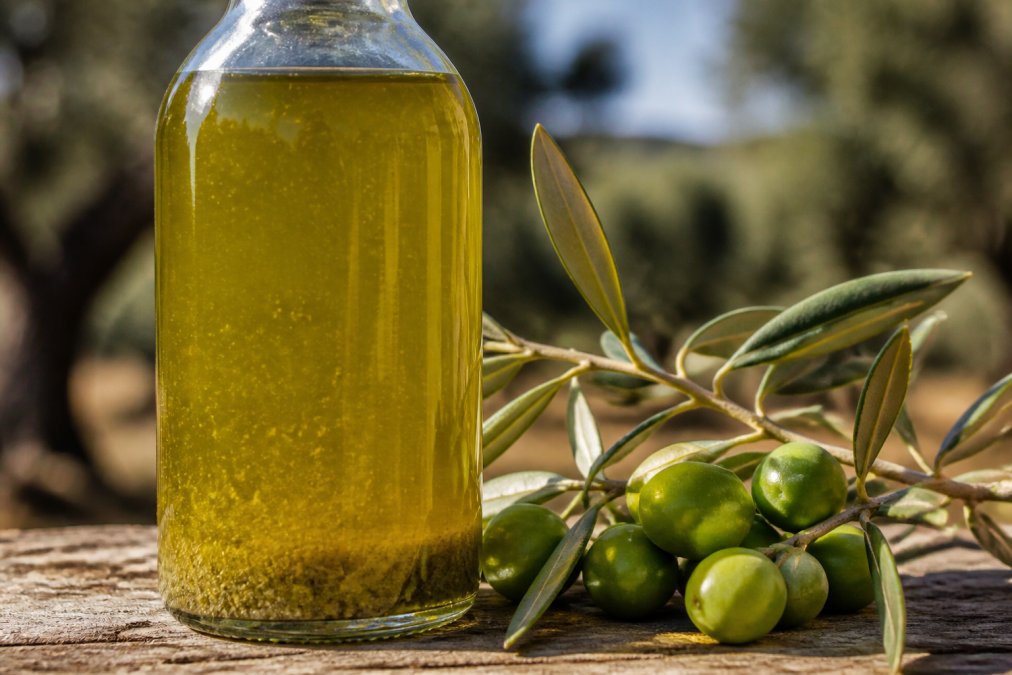
At Olio Nuovo, we press within 24 hours and bottle immediately. No waiting, no filtering, no compromise. The result is an oil that tastes like the harvest, bright, grassy, with a peppery finish that catches in your throat. That peppery sensation? That's the polyphenols working. Your body recognises it as a signal of nutritional density.
The trade-off is shelf life. Unfiltered oils have a 3 to 6 month window when stored in a cool, dark place. That's the reality of choosing freshness over longevity. If you want an oil that lasts 2 years, filtration is the answer. If you want the most nutrient-dense expression of the harvest, unfiltered is non-negotiable.
Polyphenol Content in Unfiltered Olive Oil: Why It Matters
Polyphenols are the compounds that make olive oil a functional food rather than just fat. Early-harvest, unfiltered oils contain significantly higher concentrations than their filtered counterparts, sometimes 3 to 5 times more depending on harvest timing and processing method.
Why does this matter? Polyphenols are potent antioxidants that reduce oxidative stress in your body. They cross the blood-brain barrier. They modulate inflammatory pathways. They're the reason Mediterranean populations that consume olive oil regularly show lower rates of cognitive decline and cardiovascular disease. This isn't theory, it's the mechanism behind decades of epidemiological research.
The peppery, bitter edge you taste in premium unfiltered oils is polyphenol intensity. Many people mistake it for harshness on first encounter. What they're actually experiencing is bioactive density. Your palate adapts quickly, and within a few tastings, that peppery finish becomes the signature of quality.
Filtration removes approximately 50-70% of polyphenol content. The industry does this deliberately. Polyphenols oxidise and degrade faster than neutral fats, which is why filtered oils have longer shelf lives. The trade-off is clear: you can have either longevity or nutritional potency, rarely both.
The harvest date matters enormously. Early harvest oils (picked in late September or October in the Northern Hemisphere, March or April locally) contain peak polyphenol levels. Oils pressed from fully mature fruit have lower polyphenol content but higher fat yield. Producers chasing volume choose mature fruit. Producers chasing quality choose early harvest.

Nutritional Density and Health Benefits
Unfiltered extra virgin olive oil delivers a concentrated dose of vitamins and fatty acids that support cardiovascular function, metabolic health, and cellular repair. A single tablespoon contains vitamins A, D, E, and K, all fat-soluble compounds your body needs but cannot synthesise independently.
The monounsaturated fat profile is where olive oil distinguishes itself from other oils. Approximately 73% of the fat content is oleic acid, a monounsaturated fat that improves insulin sensitivity and reduces inflammation markers in blood work. This isn't marginal. People who consume olive oil regularly show measurable improvements in fasting glucose and triglyceride levels within 8 to 12 weeks.
The antioxidant load is the real story. Unfiltered oils contain compounds like hydroxytyrosol and oleuropein that neutralise free radicals before they damage cell membranes and DNA. Your body produces free radicals constantly through normal metabolism and exposure to environmental stressors. Antioxidants from food sources help manage that load.
Heart health is the most documented benefit. Populations consuming Mediterranean diets high in olive oil show 30% lower cardiovascular mortality rates than comparable groups consuming seed oils or butter. The mechanism involves multiple pathways: improved endothelial function, reduced arterial stiffness, lower blood pressure, and improved cholesterol profiles.
Inflammation reduction extends beyond cardiovascular markers. People managing joint pain, digestive sensitivity, or chronic inflammatory conditions often report symptom improvement after switching to high-polyphenol olive oils. The effect is subtle but measurable, not a cure, but a meaningful reduction in baseline inflammation.
The key is consistency. Single doses don't produce measurable change. Regular consumption, 2 to 3 tablespoons daily, is where the benefits accumulate. This is why unfiltered oils are worth the premium: you're consuming a more nutrient-dense version of the same food, which means greater impact per tablespoon.
Northern Hemisphere Harvest Olio Nuovo →
Is Fresh Pressed Olive Oil Better for Skin
Fresh-pressed unfiltered oils applied topically deliver antioxidants and fatty acids directly to the skin barrier. The polyphenols absorb into the epidermis and reduce oxidative stress at the cellular level. This isn't the same as consuming the oil internally, topical application has different bioavailability, but the benefit is real.
The fatty acid profile supports skin barrier integrity. Oleic acid and linoleic acid are components of the skin's natural lipid matrix. When that matrix is compromised, water loss increases and irritation follows. Topical application of oils rich in these fatty acids helps restore barrier function, which is why dermatologists recommend oil-based moisturisers for compromised or sensitive skin.
Polyphenol content matters topically as well. The antioxidants reduce free radical damage from UV exposure and environmental pollutants. This translates to slower visible ageing, finer lines take longer to deepen, and skin texture remains more uniform. Again, this is subtle, not dramatic. You won't see transformation in days. Over months of consistent use, the cumulative effect becomes visible.
The catch is oxidation. Unfiltered oils contain sediment that can harbour bacteria if stored improperly. For topical use, filtered oils are actually safer, the filtration removes potential irritants and extends the oil's stability once opened. For internal consumption, unfiltered wins. For skincare, either works, but filtered is lower-risk.
Application matters. Use unfiltered oil as the final step in your skincare routine, after serums and before sunscreen. The oil sits on the skin surface and prevents transepidermal water loss. Applying it to damp skin locks in moisture more effectively than applying to dry skin. A little goes a long way, 2 to 3 drops massaged into the face and neck is sufficient.
How to Store Unfiltered Extra Virgin Olive Oil
Storage determines whether your investment remains a premium product or degrades into rancid fat. Unfiltered oils are vulnerable to three enemies: heat, light, and oxygen exposure.
Temperature is the primary factor. Store unfiltered oils in a cool, dark cabinet away from the stove and direct sunlight. Ideal temperature is 13 to 18°C, though room temperature in a cool room works. Every 10-degree temperature increase accelerates oxidation and reduces shelf life by approximately 25%. Heat causes the sediment to settle and compact, which can trap moisture and promote bacterial growth.
Light exposure triggers photochemical degradation. UV light and even visible light accelerate oxidation of polyphenols and fatty acids. This is why quality producers use dark glass bottles, the colour blocks light penetration. If your oil arrives in clear glass, transfer it to a dark bottle immediately. Amber or dark green glass is ideal. Avoid plastic, which allows light penetration and can leach compounds into the oil.
Oxygen exposure is the third variable. Once opened, unfiltered oils begin oxidising immediately. Use a pouring spout rather than leaving the bottle open. Seal the cap tightly after each use. If you purchase in bulk, consider decanting into smaller bottles to minimise headspace. The less air contact, the longer the oil remains fresh.
The 3 to 6 month window for unfiltered oils assumes proper storage. Oils stored in warm kitchens or on sunny windowsills degrade within weeks. Oils stored in cool, dark cabinets can remain usable for 6 months or longer. This is why the twice-yearly delivery model works, you receive fresh oil at peak season and consume it before oxidation becomes significant.
| Storage Factor | Impact | Best Practice |
|---|---|---|
| Temperature | Accelerates oxidation | Keep below 18°C in dark cabinet |
| Light exposure | Triggers photochemical degradation | Use dark glass bottles only |
| Oxygen contact | Oxidises polyphenols and fats | Seal tightly, minimise headspace |
| Time since pressing | Determines baseline freshness | Use within 6 months of harvest |
Decanting is worth considering if you purchase larger bottles.
Flavour Profile and Culinary Applications
The flavour intensity of unfiltered oils is their defining characteristic and their limitation. These oils are not neutral cooking fats, they're assertive ingredients that demand respect in the kitchen.
Frequently Asked Questions
Does unfiltered extra virgin oil have a shorter shelf life than filtered oil?
Yes. Unfiltered extra virgin olive oil typically lasts 3 to 6 months at peak quality due to suspended sediment and higher moisture content, which accelerate oxidation. Filtered versions can be stored for up to 2 years when kept in a cool, dark place. The sediment in unfiltered oil speeds rancidity, so consume it fresh to enjoy its vibrant character and maximum antioxidant content.
What are the sediment particles found in unfiltered extra virgin olive oil?
Sediment consists of natural olive solids, fragments of skin, pulp, and pit, left behind during mechanical separation. These particles contain polyphenols and micronutrients that contribute to health benefits and flavour intensity. The cloudiness signals minimal processing and maximum nutrient retention, though sediment does shorten shelf life. Decanting into a clean bottle can help extend freshness by removing settled particles.
Is unfiltered extra virgin olive oil worth the premium price?
If you value fresh flavour, maximum antioxidants, and nutritional density, yes. Unfiltered oil pressed within 24 hours of harvest, like Olio Nuovo at $49, captures peak polyphenol levels and vibrant, peppery character that supermarket oils cannot match. The cost reflects rapid processing, minimal handling, and seasonal availability. For everyday cooking alone, filtered oil suffices; for salads, dipping, and finishing dishes, unfiltered delivers measurable sensory and health advantages.
Can I use unfiltered extra virgin olive oil for cooking, or is it only for finishing?
Unfiltered extra virgin olive oil has a lower smoke point than refined oils, making it better suited for low-to-medium heat cooking, drizzling, and finishing dishes rather than high-heat frying. Its delicate polyphenols and flavour compounds degrade at high temperatures. Use it for salad dressings, dipping bread, finishing soups, and room-temperature culinary applications to preserve its nutritional profile and distinctive taste.
