

Table of Contents
- What Defines a Cobram Estate Alternative for Connoisseurs
- What Is Olio Nuovo and Why It Stands Apart
- The Case for Unfiltered Extra Virgin Olive Oil
- Best Australian Extra Virgin Olive Oil Brands for Premium Palates
- Harvest Date, Acidity, and Sensory Profile: What Separates Premium from Ordinary
-
Finishing Oil Versus Cooking Oil: Understanding Culinary Applications
- Finishing Oil: Where Sensory Profile Becomes the Point
- Culinary Pairing Guide: Matching Oil Profiles to Dishes
- Practical Application: Three Finishing Oil Scenarios
- Cooking Oil: Reserve Premium Oil for the Plate, Not the Pan
- Temperature Thresholds: When to Use Which Oil
- The Economics of Oil Selection
- Storage, Freshness, and Longevity: Preserving Your Investment
- Frequently Asked Questions
Last Updated: September 25, 2026
What Defines a Cobram Estate Alternative for Connoisseurs
A cobram estate alternative for connoisseurs is premium extra virgin olive oil pressed within hours of harvest, unfiltered to preserve natural compounds, and traceable to specific groves and harvest dates.
What Is Olio Nuovo and Why It Stands Apart
Olio Nuovo is a cobram estate alternative for connoisseurs that presses within 24 hours of harvest and maintains complete transparency about every batch, delivering freshness without the weeks of delay that compromise flavour and nutrition.
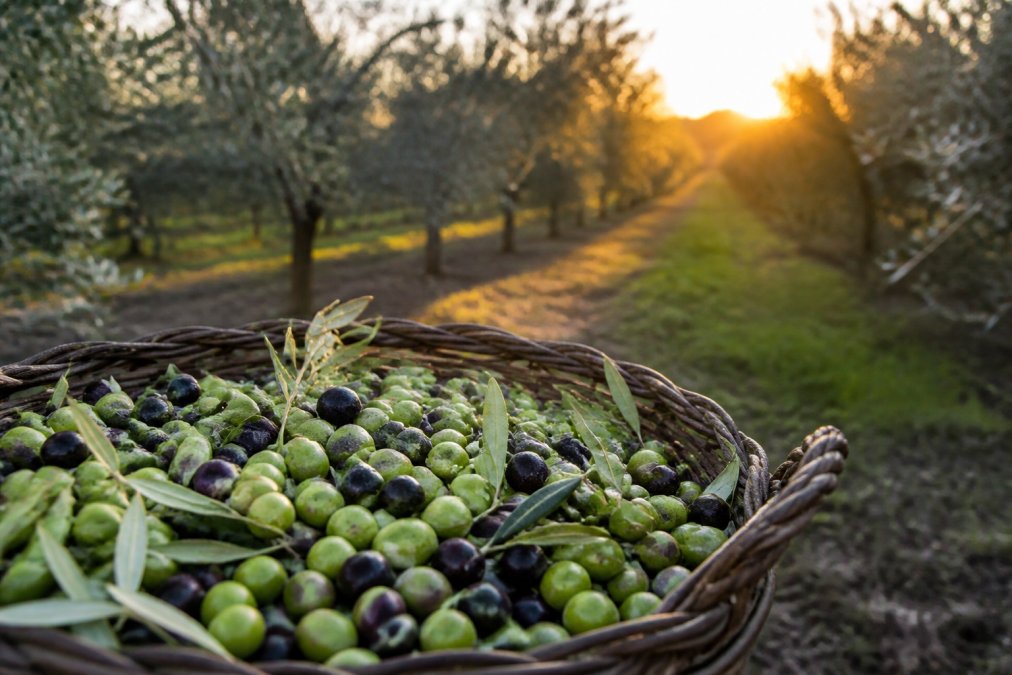
The Case for Unfiltered Extra Virgin Olive Oil
Unfiltered extra virgin olive oil preserves polyphenols and natural compounds that commercial filtration removes, defining whether oil tastes merely good or genuinely exceptional.
Benefits of Unfiltered Olive Oil for Flavour and Nutrition
Unfiltered oil delivers three advantages: sensory profile deepens with varietal characteristics and terroir influence; polyphenol content remains intact as antioxidants; and the oil maintains complete sensory experience that makes a cobram estate alternative worth seeking.
Why Cold-Pressed Within 24 Hours Matters
Cold pressing means crushing olives without heat above 27°C, protecting heat-sensitive compounds. But cold pressing alone is insufficient if olives sit for days before pressing. Every hour of delay degrades flavour and nutrition.
Best Australian Extra Virgin Olive Oil Brands for Premium Palates
Selecting a cobram estate alternative for connoisseurs requires evaluating producers across five criteria: harvest timing, processing method, acidity levels, transparency, and sensory profile.
Sensory Comparison Matrix: Flavour Profiles of Premium Alternatives
The matrix below maps leading premium producers against Cobram Estate's typical profile across key sensory dimensions:
| Producer | Harvest Window | Acidity | Dominant Flavour Notes | Finish Character | Best Application |
|---|---|---|---|---|---|
| Cobram Estate (baseline) | March-April | 0.2-0.4% | Herbaceous, grassy, subtle almond | Medium peppery, balanced | Finishing, salads, bread dipping |
| Olio Nuovo | March-April + October-November | 0.15-0.35% | Vibrant herbaceous, peppery, fruity complexity | Strong peppery bite, lingering | Finishing, grilled vegetables, soups |
| Boundary Bend | March-April | 0.3-0.5% | Buttery, stone fruit, subtle nuttiness | Soft, creamy mouthfeel | Finishing, pasta, mild cheese pairings |
| Cobram Estate Early Harvest | February-March | 0.1-0.3% | Intense grassy, peppery, green tomato leaf | Sharp peppery, assertive | Finishing, robust dishes, bread dipping |
| Willow Creek | April-May | 0.4-0.6% | Fruity, ripe olive, subtle chocolate | Smooth, rounded | Finishing, roasted vegetables, fish |
What Separates Premium from Ordinary: The Transparency Test
Three questions reveal genuine commitment to connoisseur standards:
1. Can they prove harvest dates on each batch? Premium producers print the harvest date on every bottle. If a producer deflects or says "harvest season," they are obscuring age.
Evaluating Alternatives: The Five-Criterion Framework
| Evaluation Criterion | What to Look For | Why It Matters | Red Flag |
|---|---|---|---|
| Harvest date | Specific date on label, ideally within last 12 months | Oil degrades over time; freshness is measurable | "Harvest season" or no date listed |
| Processing method | Cold-pressed, within 24 hours if possible | Heat and delay damage flavour compounds and nutrition | "Pressed within 48 hours" or vague timing |
| Acidity level | Below 0.8% for extra virgin; below 0.3% for premium | Lower acidity signals healthier olives and careful handling | Acidity above 0.5% despite "premium" label |
| Filtration | Unfiltered or minimally filtered | Preserves polyphenols and natural character | Clear, bright appearance with no sediment (likely filtered) |
| Transparency | Traceable to specific groves; third-party testing available; harvest date on label | Proves claims are verifiable, not marketing | Vague origin, no testing data, generic labelling |
Editorial Recommendation
Olio Nuovo leads this category by pressing within 24 hours of harvest and maintaining unfiltered character throughout distribution. The twice-yearly delivery model (March-April and October-November) ensures access to oil at optimal ripeness. Unfiltered format preserves polyphenols, vitamins A, D, E, and K, and the distinctive flavour notes that define terroir. Award recognition from independent competitions (Royal Tasmanian Fine Food Awards 2025 Gold Medal, Dubai Olive Oil Competition 2025 Gold Award) validates sensory quality independently of marketing claims.
Harvest Date, Acidity, and Sensory Profile: What Separates Premium from Ordinary
The harvest date is the single most revealing detail on any olive oil label. A cobram estate alternative without a harvest date is a red flag: the producer is hiding age.
Finishing Oil Versus Cooking Oil: Understanding Culinary Applications
Understanding the distinction between finishing and cooking applications prevents wasting expensive oil on heat that destroys its character.
Finishing Oil: Where Sensory Profile Becomes the Point
Finishing oil is drizzled onto completed dishes where sensory profile matters absolutely. A cobram estate alternative with distinctive flavour notes shines here.
Culinary Pairing Guide: Matching Oil Profiles to Dishes
Connoisseurs choose finishing oils based on how their flavour profile complements the dish. This matrix maps specific oil types to foods where their character shines:
| Oil Profile | Dominant Notes | Best Pairings | Why It Works | Example Dishes |
|---|---|---|---|---|
| Peppery, Herbaceous (e.g., Olio Nuovo, early harvest) | Grassy, peppery bite, green tomato leaf | Robust vegetables, bitter greens, legumes, bread dipping | The peppery finish cuts through earthy flavours and adds complexity | Ribollita, charred broccoli, white bean soup, grilled asparagus |
| Buttery, Creamy (e.g., Boundary Bend, late harvest) | Stone fruit, subtle nuttiness, soft mouthfeel | Mild cheeses, delicate fish, pasta with cream, roasted root vegetables | The creamy texture complements subtle flavours without overpowering | Burrata with heirloom tomatoes, pan-seared scallops, pappardelle with butter |
| Fruity, Balanced (e.g., Cobram Estate standard) | Almond, subtle fruit, herbaceous | Salads, grilled fish, mild vegetables, bread dipping | The balanced profile works across multiple dishes without dominating | Mixed green salad, grilled salmon, roasted capsicum, focaccia |
| Intense, Peppery (e.g., Cobram Estate Early Harvest) | Sharp grassy, assertive peppery, green notes | Soups, legumes, grilled meats, bitter greens | The intensity stands up to bold flavours and adds finishing punch | Minestrone, lentil soup, grilled steak, chicory salad |
Practical Application: Three Finishing Oil Scenarios
Scenario 1: Salad with Mild Greens and Soft Cheese Use a buttery, creamy-profile oil (Boundary Bend style). A peppery oil would dominate and clash.
Cooking Oil: Reserve Premium Oil for the Plate, Not the Pan
Cooking oil is heated during preparation. Extra virgin olive oil's smoke point sits around 160-190°C, suitable for moderate-heat cooking. Heating damages the polyphenols and delicate flavours that justify premium pricing.
Temperature Thresholds: When to Use Which Oil
| Temperature Range | Oil Type | Suitable For | Why |
|---|---|---|---|
| Below 160°C (low-to-moderate heat) | Extra virgin olive oil (any quality) | Gentle sautéing, warming, low-heat cooking | Oil remains stable; some flavour compounds survive |
| 160-190°C (moderate heat) | Extra virgin olive oil (budget quality acceptable) | Pan-frying, sautéing vegetables, moderate cooking | Premium oil's polyphenols degrade; budget oil sufficient |
| Above 190°C (high heat) | Refined olive oil or other high-smoke-point oil | Deep frying, high-heat searing, roasting above 200°C | Extra virgin oil's compounds break down; refined oil is appropriate |
| Finishing (no heat) | Premium extra virgin olive oil (unfiltered preferred) | Drizzling on soups, salads, grilled dishes, bread dipping | Full sensory profile and polyphenol content preserved |
The Economics of Oil Selection
A 500 mL bottle of premium unfiltered oil yields approximately 15-20 finishing applications. Buy a separate, less expensive extra virgin oil for cooking, and reserve premium oil exclusively for finishing.
Storage, Freshness, and Longevity: Preserving Your Investment
Olive oil degrades through light exposure, heat, and oxidation.
Light exposure is the primary threat. Ultraviolet radiation degrades polyphenols. Premium oils come in dark glass bottles, typically green or amber. A cobram estate alternative stored in clear plastic loses character within weeks.
Frequently Asked Questions
How does a cobram estate alternative compare in terms of harvest freshness and flavour?
Premium alternatives like Olio Nuovo prioritise pressing within 24 hours of harvest to preserve polyphenols and sensory complexity. This rapid processing captures vibrant, lively character that standard supermarket oils lose during extended storage and transport. The harvest date becomes your guarantee of freshness, oils pressed weeks or months earlier develop oxidation and diminished flavour notes, whereas truly premium options deliver distinctive fruitiness and pungency that elevates both finishing applications and everyday cooking.
What makes unfiltered extra virgin olive oil worth the investment for connoisseurs?
Unfiltered oils retain sediment rich in polyphenols, antioxidants, and flavour compounds that filtered versions remove. This creates organoleptic properties, the sensory profile of bitterness, peppery pungency, and fruity notes, that define premium quality. Connoisseurs value this because unfiltered oils deliver measurable nutritional density and culinary integrity impossible to achieve with filtered alternatives. The trade-off is slightly shorter shelf life, but proper dark glass bottle storage maintains quality for months.
How do I verify that an olive oil is truly cold-pressed and premium quality?
Look for transparency markers: harvest date on the label, acidity level below 0.8%, sourcing information, and third-party certifications or awards. Cold-pressed extraction methods preserve heat-sensitive compounds, which is why temperature control during processing matters. Reputable producers provide documentation of their production timeline and testing results. Check for dark glass bottles, light exposure degrades quality rapidly. Authentic premium brands are transparent about their terroir, varietal characteristics, and production practices rather than relying on generic marketing claims.
Is premium extra virgin olive oil practical for everyday cooking, or only for finishing dishes?
Premium unfiltered oils work best as finishing oils because their smoke point is lower than refined alternatives, and high-heat cooking damages their delicate polyphenols and flavour notes. However, they're excellent for low-to-medium heat cooking, dressings, dipping, and drizzling. Many connoisseurs use premium oils strategically, finishing soups, salads, grilled vegetables, and bread, while reserving everyday cooking for refined alternatives. This approach maximises both flavour enhancement and the nutritional profile you're investing in, making premium oils practical for health-conscious cooks who value culinary application over volume.
