

Table of Contents
- What Makes a Food Gift Feel Luxurious for a Chef
- Gourmet Gifts for Chefs: Beyond the Obvious
- Premium Extra Virgin Olive Oil Gift: Why It Matters
- How to Choose Olive Oil as a Luxury Gift
- Understanding Olive Oil Tasting Notes and Flavour Profiles
- Luxury Food Gifts Organised by Budget and Occasion
- Durability, Storage, and Practicality for Professional Kitchens
- Frequently Asked Questions
Last Updated: October 17, 2026
What Makes a Food Gift Feel Luxurious for a Chef
A truly luxurious food gift for a chef isn't about flashy packaging or inflated price tags. It's about capturing something rare: freshness, authenticity, and the story behind the product.
Chefs spend their careers pursuing quality ingredients and taste the difference between ordinary and exceptional. A generic gift misses the mark; what resonates is something they couldn't easily source themselves.
The best luxury food gifts for chefs share three qualities. First, they're seasonal or time-limited, creating a sense of occasion. Second, they're uncompromising in quality, with no shortcuts in production. Third, they're presented with transparency about their origins and craftsmanship.
Consider mass-produced olive oil versus one pressed within hours of harvest. Both are olive oil, but only one tells a story worth remembering, that's the gap between a gift and a luxury gift.
Gourmet Gifts for Chefs: Beyond the Obvious
Most people default to a cookbook, a kitchen gadget, or wine, none of which is what a professional chef actually wants.
A gourmet gift for chefs works because it respects their expertise, offering something they can use immediately in their craft or that elevates an everyday ritual into genuine pleasure.
What separates a gourmet gift from a luxury one comes down to how the product was made and how it differs from what the chef can buy locally. A limited-release, single-origin, or unusually prepared product creates that sense of discovery.
Premium Extra Virgin Olive Oil Gift: Why It Matters
Premium extra virgin olive oil stands out as one of the finest luxury food gifts for chefs because it sits at the intersection of art, science, and agriculture.
Unlike most pantry staples, truly premium olive oil is alive, changing with the season, harvest, and pressing method.
The peppery finish at the back of your throat when tasting fresh oil comes from polyphenols, naturally occurring compounds that indicate genuine freshness and quality.
What makes premium olive oil a luxury gift is its rarity. Most commercial oils prioritise shelf stability over flavour, filtered, refined, and blended for consistency.
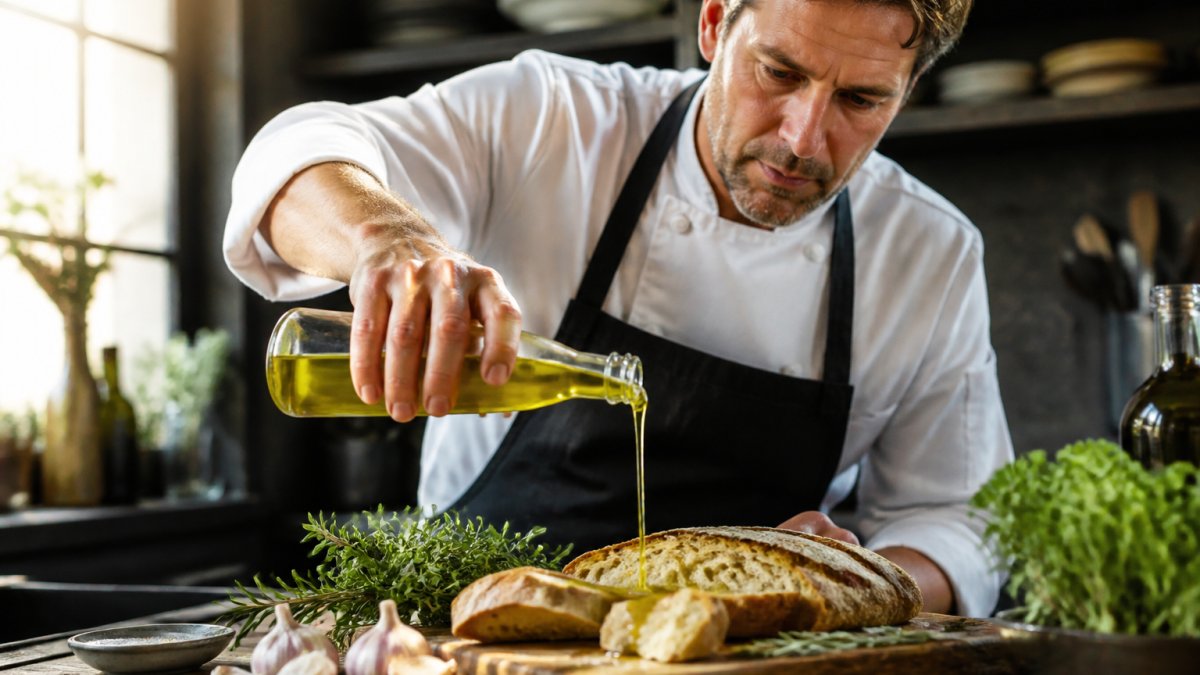
For a chef, premium extra virgin olive oil is both a gift and a tool, used in cooking or experienced standalone, drizzled over warm bread or into a simple soup.
How to Choose Olive Oil as a Luxury Gift
Selecting the right luxury food gift for chefs starts with understanding what separates exceptional olive oil from the ordinary.
Single-origin versus blended. A single-origin oil tells the story of one place, one harvest, one flavour profile. A blend combines olives from different regions or harvests.
Filtration is a choice, not a quality marker. Unfiltered oil is cloudier, shorter-lived, and more intense, suited to someone who will use it quickly.
Regional character. Italian oils tend peppery and grassy, Spanish oils nutty and herbaceous, Greek oils fruity and complex.
Choose an oil that reflects the chef's palate or cooking style, that specificity transforms a gift into something memorable.
Understanding Olive Oil Tasting Notes and Flavour Profiles
Tasting notes are not decoration. For a chef, they're shorthand for how an oil will behave in the kitchen, where it will lift a dish and where it will overwhelm it.
The three axes that matter
Fruitiness. The dominant aroma. Green fruit (fresh-cut grass, green tomato, artichoke) signals an early harvest. Ripe fruit (butter, almond, hazelnut, dried fruit) signals a later harvest. This axis tells you the oil's intensity and its best uses.
Bitterness. Perceived on the sides and back of the tongue. Bitterness comes from polyphenols and is a freshness indicator. A bitter oil is not a flawed oil, it is a young, vital one. Chefs use bitterness deliberately to cut through richness.
Pungency. The peppery catch at the back of the throat. Also polyphenol-driven. A strong peppery finish is a sign of a fresh, early-harvest oil. It fades with age and exposure to heat and light.
Northern Hemisphere Harvest Olio Nuovo (December Delivery) →

Reading a profile like a chef
- Green, grassy, peppery (early harvest): intense and assertive. Best as a finishing oil on soups, grilled vegetables, legumes, and dishes where the oil is the point. Pair with bitter greens, white fish, or a simple bruschetta. Not for high-heat cooking, the volatile aromatics burn off and the polyphenols degrade.
- Buttery, nutty, soft (late harvest): rounder and more forgiving. Works for dipping, drizzling over pasta, baking, and lower-temperature cooking. A good entry point for a chef who is new to premium oil.
- Balanced mid-harvest: both green and ripe notes. The versatile all-rounder. If you do not know the recipient's palate, this is the safest luxury choice.
What the label should tell you
A credible premium oil will usually state the harvest date (not just a best-before), the origin or grove, the olive varieties, and whether it is filtered or unfiltered. Harvest date is the single most useful number on the bottle: oil is a fresh product, and a bottle from the current harvest will taste materially different from one a year older. If a label gives only a best-before date, treat the oil as a commodity rather than a luxury gift.
Pairing the profile to the chef
Ask how they cook. A chef who works with bold, acidic, herb-heavy dishes will get more from an early-harvest oil. A pastry chef or someone who cooks delicate fish will get more from a late-harvest oil. A chef who cooks across a menu will appreciate a mid-harvest bottle or a two-bottle set that lets them compare.
A chef understands these distinctions intuitively. Choosing an oil with a clear flavour profile that matches how they cook gives them something they'll actually use, not just admire.
Luxury Food Gifts Organised by Budget and Occasion
A chef-focused guide should match the gift to the relationship, occasion, and budget, a gift for a sous chef on a Tuesday is not the same as one for a mentor at retirement.
Budget tiers (all prices in AUD)
Under $60 AUD, thoughtful, not token. For colleagues, clients, and casual professional relationships: a single 500ml bottle of fresh-harvest, single-origin extra virgin olive oil, a small-batch preserved product, or a curated tasting set.
$60-$120 AUD, the professional sweet spot. Where most workplace and mentor gifts sit: limited-release oils, two-bottle harvest comparisons (early vs late from the same grove), or a small producer's gift box with tasting notes.
$120-$250 AUD, milestone territory. For promotions, retirements, or significant client relationships: multi-bottle collections spanning harvests, larger-format tins for a working kitchen, or a two-delivery subscription timed to the harvest calendar.
$250+ AUD, statement gifts. For major recognition: rare single-grove oils, vertical harvest sets, or a bespoke selection with personalised labelling.
Match the gift to the chef's role
- Home cook who cooks seriously: a 500ml finishing oil with clear tasting notes and suggested uses. They will use it on bread, soups, and grilled vegetables.
- Commis or junior chef: practical and durable. A 2-litre tin for daily kitchen use, or a robust single-origin oil that survives a busy pass. Avoid fragile packaging.
- Sous or head chef: something they cannot easily source locally, a limited-release, early-harvest oil with a distinctive polyphenol profile, or a producer they have not tried.
- Pastry chef: savoury oils are a harder sell. Consider a delicate, buttery late-harvest oil for finishing, or pair a premium oil with a note about dessert applications (olive oil cakes, drizzles over citrus).
- Culinary student or apprentice: a gift that teaches, a two-bottle early vs late harvest comparison with tasting notes builds their palate.
Match the gift to the occasion
- New job or promotion: early-harvest oil, vibrant, peppery, full of potential. Pair with a note about the season ahead.
- Retirement or career milestone: late-harvest or a multi-harvest collection that honours depth and experience.
- Holiday or seasonal gift: fresh-harvest oil, because it is genuinely time-limited and arrives at the right moment. This is the rare gift that is both seasonal and useful.
- Thank-you to a mentor: a single-origin bottle with documented provenance and a handwritten note about what you learned from them.
- Corporate or client gift: a gift set or a twice-yearly delivery arrangement. Professional, not personal, and it signals quality without overstepping.
Personalisation and presentation
Luxury is partly in the wrapping. Ask whether the producer offers personalised labelling, a handwritten gift note, or a presentation box. Check delivery windows, a fresh-harvest oil arriving after the recipient's holiday break loses its moment. For a professional kitchen, confirm address and timing so the gift isn't left in a hot loading bay.
At Olio Nuovo, we understand that the right gift speaks to a chef's values. That's why our Northern Hemisphere Harvest oil, pressed within 24 hours and bottled fresh, works so well as a luxury food gift. It arrives at $49.00 per bottle, making it accessible for most budgets while delivering the quality that chefs recognise and respect.
Durability, Storage, and Practicality for Professional Kitchens
A luxury food gift only matters if the chef can actually use it. This means understanding how premium ingredients behave in a working kitchen.
Unfiltered oil keeps best for 3 to 6 months when stored properly.
Storage is critical. Olive oil degrades when exposed to heat, light, or oxygen. In a professional kitchen where bottles move quickly through the pass, this is less of an issue.
Packaging matters. A 500ml bottle is ideal for the table, it's elegant, manageable, and gets used quickly.
Practicality in context. Premium oils aren't meant for high-heat cooking. They're for finishing dishes, drizzling, dipping, or low-temperature applications. A chef understands this.
The best luxury food gifts for chefs are ones they'll actually reach for, not ones that sit in storage waiting for a "special occasion" that never comes.
Choosing a luxury food gift for a chef means recognising what they value: quality, authenticity, and ingredients that elevate their craft. At $49.00, it's accessible enough to give confidently, yet distinctive enough to matter. Learn more about premium olive oil selection from culinary experts Order online now and send a gift that a chef will actually appreciate.
Frequently Asked Questions
What makes a premium extra virgin olive oil gift better than standard supermarket oil?
Premium extra virgin olive oil pressed within 24 hours of harvest delivers distinctive tasting notes, grassy, peppery, herbaceous, that reveal terroir and craftsmanship. A chef recognises the difference immediately: genuine fresh oil creates that peppery sensation at the back of the throat, a sign of naturally occurring polyphenols. Award-winning oils like Olio Nuovo (Gold at the 2025 Royal Tasmanian Fine Food Awards and Dubai Olive Oil Competition) demonstrate measurable quality through independent recognition.
How should you store fresh, unfiltered olive oil to keep it luxurious?
Store unfiltered olive oil in a cool, dark cupboard away from heat and light, with the lid firmly closed. Unfiltered oil is best enjoyed within 3 to 6 months of pressing, as sediment and exposure to oxygen accelerate oxidation. Filtered variants maintain quality for up to 2 years under proper storage. Keep bottles away from kitchen heat sources, direct sunlight, and temperature fluctuations. A professional chef knows that proper storage protects the investment; degraded oil loses the delicate flavours that justify its premium price.
What food gifts do professional chefs actually appreciate?
Professional chefs value ingredients that elevate their own cooking: seasonal, limited-release items with provenance and transparency. Fresh-harvest olive oil, regional specialty foods, and artisanal products they cannot source easily themselves rank highest. Chefs appreciate gifts that reflect craftsmanship, not convenience; they already own standard kitchen tools. A gift that tells a story, pressed within 24 hours, from specific groves, award-winning, signals respect for their expertise. Twice-yearly delivery models appeal because they provide novelty and freshness without requiring storage of large quantities.
Is premium olive oil a suitable gift for someone who doesn't cook fancy meals?
Yes. Premium olive oil works for everyday cooking and elevates simple dishes. Drizzling fresh, vibrant oil over warm bread, soups, pasta, or grilled vegetables transforms basic meals into refined experiences. You don't need advanced culinary skills to appreciate quality; the distinctive flavours are noticeable to any palate. A gift of premium oil signals confidence in the recipient's taste, not their skill level, making it suitable across experience levels.
